Church Team Alignment Workshop: What It Is and When You Need One
Your staff is busy. Everyone is working hard. But you have this persistent feeling that your team is pulling in different directions. The worship leader is focused on Sundays. The children's director is building her own plan. The youth pastor has ideas that don't connect to anything else. And you, the lead pastor, are spending most of your energy holding it all together instead of leading it forward.
This is not a staffing problem. It is an alignment problem. And it's one of the most common issues in growing churches.
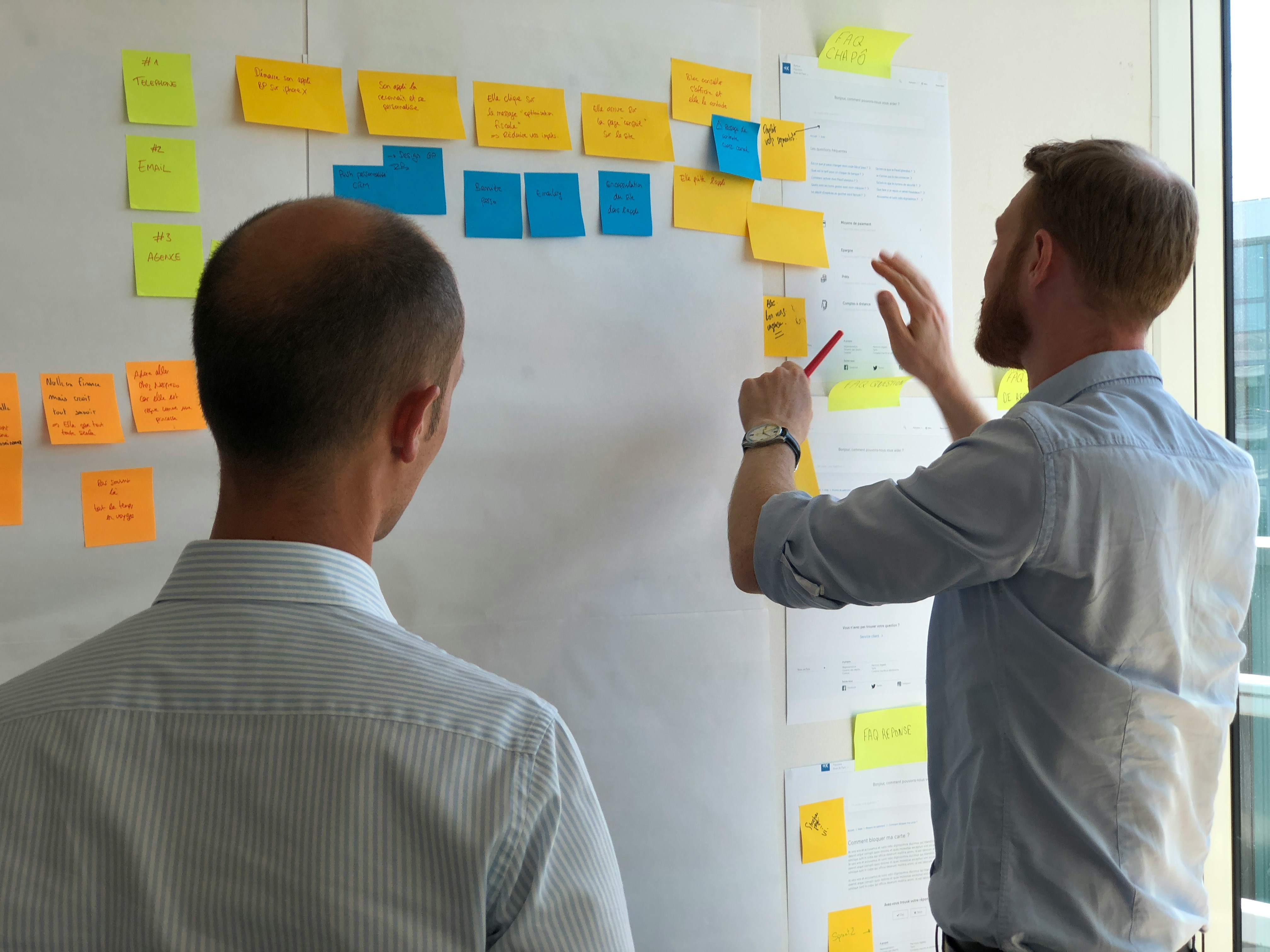
A church team alignment workshop is designed to address exactly this. It brings your staff into the same room, surfaces the disconnects that everyone feels but no one names, and builds shared clarity about where your church is going and who owns what.
What a Team Alignment Workshop Actually Is
A team alignment workshop is a facilitated session, usually a half day or full day, where your church staff works through a structured process to get on the same page. It is not a retreat. It is not team building for the sake of fun. It is focused, practical work that produces clarity your team can act on immediately.
The word "alignment" matters. It does not mean agreement on everything. It means your team understands the direction, knows their role in it, and can see how their work connects to what everyone else is doing. Philippians 2:2 describes this posture: "Make my joy complete by being like-minded, having the same love, being one in spirit and of one mind." Paul was not asking for uniformity. He was asking for unity of purpose. That is what alignment looks like in a church staff team.
Most workshops address three things:
Shared understanding of direction. Where is the church headed? What are the priorities for this season? If you asked each staff member individually, would they give the same answer? In most churches, they would not. A workshop surfaces those differences and works toward a shared picture that everyone can articulate.
Role clarity and ownership. Who owns what? Where do responsibilities overlap? Where are there gaps that no one is covering? Most staff conflict is not personal. It is structural. People step on each other's toes because no one has clearly defined where one role ends and another begins.
Communication and decision-making norms. How does your team make decisions? Who needs to be consulted on what? How do you handle disagreements? These unwritten rules shape your team culture more than any job description. A workshop makes them explicit so everyone is operating from the same playbook.
Signs Your Church Staff Needs an Alignment Workshop
Not every team problem requires a workshop. But several patterns suggest alignment is the real issue:
Your staff works hard but in silos. Each person is doing good work, but it does not add up to a coordinated whole. Ministry areas feel like separate organizations that happen to share a building. Staff meetings are a series of individual updates rather than a team coordinating together.
Decisions keep getting relitigated. You make a decision in a meeting and two weeks later someone is still operating as if it never happened. Or a different staff member raises the same issue because they were not part of the original conversation. This is not defiance. It is a sign that your decision-making process is unclear.
Tension exists but no one names it. There is friction between staff members, but it stays below the surface. People talk about each other instead of to each other. The lead pastor senses something is off but cannot pinpoint it. Unaddressed tension does not resolve on its own. It calcifies.
New staff members struggle to integrate. You hire someone capable, but after three months they still feel like an outsider. They cannot figure out how things work, who to go to for what, or what the unwritten expectations are. This suggests your team culture is implicit rather than explicit, which means only insiders understand it.
Your lead pastor is the hub of all communication. If every decision, every conflict, and every coordination question flows through one person, your team is not aligned. It is dependent. The lead pastor becomes a bottleneck, and the team cannot function when he is unavailable.
If three or more of these describe your team, alignment work would help.
What Happens During a Workshop
Every facilitator approaches this differently, but effective alignment workshops share a common structure.
Opening: Name what is real. A good facilitator does not start with vision casting. They start by surfacing what is actually happening on the team. This might involve a structured exercise where each person shares what they see as the team's greatest strength and greatest challenge. Or it might be a candid conversation about what is working and what is not. The goal is honesty. If the workshop stays surface-level, it will not produce lasting change.
Middle: Work through the core issues. This is where the real work happens. Depending on what the team needs, this might include a communication styles exercise (like 5 Voices, which helps each person understand how they communicate and how they are experienced by others), a priorities alignment exercise where the team identifies and ranks the church's top 3 to 5 priorities for the season, a roles and responsibilities clarification where overlaps and gaps are identified and resolved, or a decision-making framework that establishes how the team will make choices going forward.
The facilitator's job is to create safety for honest conversation while keeping the group focused on outcomes. This is not therapy. It is structured leadership work.
Closing: Commit to next steps. A workshop that ends with warm feelings but no commitments will not change anything. The final segment should produce specific, written commitments: what will change, who owns it, and when the team will check in on progress.
What a Workshop Will Not Fix
Alignment workshops are powerful, but they have limits. Being honest about those limits saves you time and money.
A workshop will not fix a trust deficit that has been building for years. If your team has deep relational wounds, unresolved conflicts, or a history of broken commitments, a single workshop will not heal that. You may need individual conversations, mediation, or ongoing coaching before alignment work can take root. Jesus addressed this directly in Matthew 5:23-24: "If you are offering your gift at the altar and there remember that your brother or sister has something against you, leave your gift there in front of the altar. First go and be reconciled to them." Reconciliation comes before alignment. If trust is broken, address that first.
A workshop will not replace ongoing leadership. Alignment is not an event. It is a practice. A workshop can create a starting point, but if the lead pastor does not maintain the rhythms, follow up on commitments, and continue the conversations, the team will drift back to old patterns within weeks.
A workshop will not fix unclear vision. If the lead pastor cannot articulate where the church is headed, a workshop will expose that gap but cannot fill it. The team cannot align around a direction that has not been defined. If vision clarity is the issue, strategic planning work should come first.
How to Choose the Right Facilitator
The facilitator makes or breaks the experience. Here is what to look for:
Church experience, not just corporate training. Ministry teams have dynamics that corporate facilitators do not understand. The spiritual dimension of the work, the complexity of volunteer leadership, the relational weight of pastoral roles. Your facilitator should know what it feels like to lead in a church, not just what it looks like on an org chart.
Willingness to go beneath the surface. Some facilitators run through a curriculum and call it done. The best ones listen, ask hard questions, and adjust in real time based on what the team actually needs. If a facilitator shows up with a rigid agenda and no curiosity about your specific context, that is a red flag.
A track record with churches your size. A facilitator who works with megachurches may not understand the dynamics of a 300-person church where the lead pastor also manages the building. Size shapes everything: team structure, decision-making speed, resource constraints, and relational proximity. Ask specifically about their experience with churches in your size range.
Clear follow-up expectations. What happens after the workshop? A good facilitator will either build follow-up into the engagement or equip your team with specific tools and rhythms to maintain what you built together. A workshop without follow-up is an expensive conversation.
What It Typically Costs
Church team alignment workshops vary widely in cost depending on the facilitator, the scope, and whether travel is involved. A half-day workshop with a local facilitator might run $1,500 to $3,000. A full-day engagement with an experienced church leadership facilitator typically costs $3,000 to $6,000. Multi-day intensives or workshops that include pre-assessment work and follow-up coaching can range from $5,000 to $10,000.
The question is not whether the workshop is expensive. It is whether the cost of misalignment is higher. When staff members are confused about priorities, working at cross purposes, or quietly disengaging, the church pays for it in lost momentum, volunteer fatigue, and eventually turnover. A single staff departure and replacement often costs more than a workshop that could have prevented it.
Your Next Step
If your team is working hard but not together, you do not need to hire more people or start more programs. You need to get in the same room and get on the same page.
Start by asking your team one question: "If someone asked you what our church's top three priorities are for this year, what would you say?" If you get different answers from each person, you have an alignment problem. And a workshop is one of the most efficient ways to solve it.
Proverbs 29:18 warns, "Where there is no revelation, people cast off restraint." When your team lacks shared vision and clear direction, drift is inevitable. Alignment is what turns a group of capable individuals into a team that moves together with purpose.
Explore team alignment workshops for your church →
Want to start building your church's foundations on your own? Download our free guide: How to Build a Church Strategy Your Team Will Actually Follow.